This coating process applies chromate to the metal substrate, creating a surface that is corrosion resistant, durable, and exhibits stable electrical conductivity.
All the mentioned processes are AS9100D and NADCAP approved.
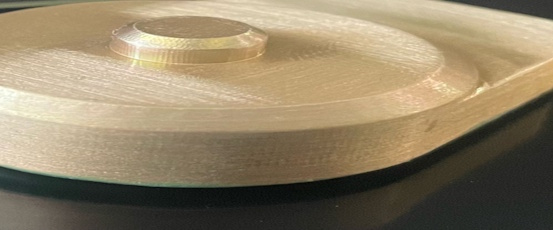
Surface enhancing processes like blasting (Aluminium oxide and glass bead).
Forced curing oven facility which can handle parts up to 5 meters in length.
๐ฌTesting Facility at ALCOATS
ALCOATS has an in-house testing facility to validate coating performance, material integrity, and compliance with customer and industry requirements.
Available Tests
Salt spray
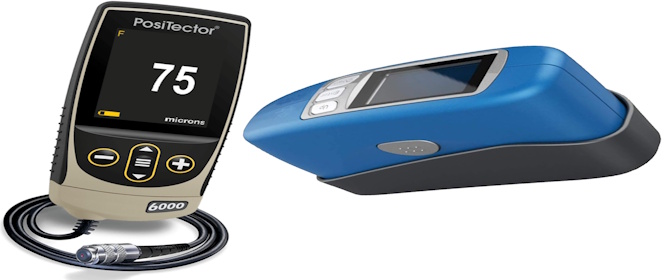
Coating thickness
Conductivity
Resistivity
Taber Wear
Microhardness
Water Immersion
Humidity
Coating weight
Paint color and gloss
Solvent resistance
Adhesion
Copper Sulphate
Electrical resistance for Class 3 chemical conversion
๐งชAnodizing
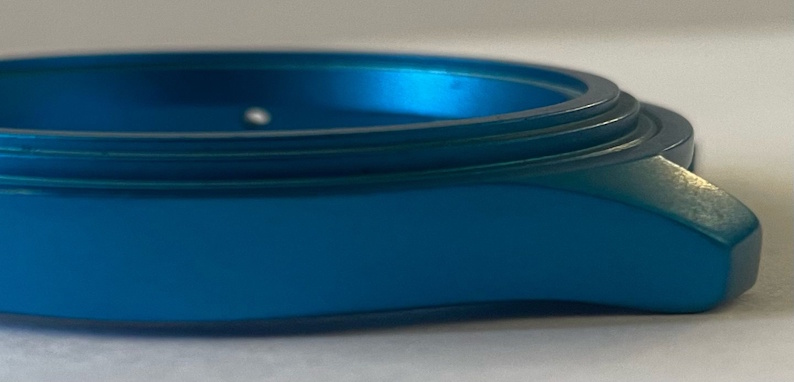
Anodizing is the process of electro-chemically controlling and enhancing the oxidation of aluminium substrate. The process converts the metal surface into a tremendously durable coating; because of the coating, the surface becomes extremely hard. Anodizing combines science and nature through a highly controlled oxidation, an advanced form of a natural phenomenon. Based on the functionality of the part, different types of anodizing are selected.
Anodizing Types & Specifications
Chromic Acid Anodizing
MIL-PRF-8625 Type I
AMS 2470
Other customer specifications
Max. part size: 4 ร 0.75 ร 1.6 m
Sulfuric Acid Anodizing
MIL-PRF-8625 Type II (Dyed and non-dyed)
AMS 2472
AMS 2471
Other customer specifications
Max. part size: 4 ร 0.75 ร 1.6 m
Hard Anodizing
MIL-PRF-8625 Type III (Dyed and non-dyed)
ISO 10074
AMS 2482 Type I (Teflon impregnation)
AMS 2469
Other customer specifications
Max. part size: 4 ร 0.75 ร 1.6 m
Tartaric Sulfuric Acid Anodizing
MIL-PRF-8625 Type IC
Other customer specifications
Max. part size: 2 ร 0.65 ร 1.1 m
๐งชChemical Conversion
This coating process applies chromate to the metal substrate, creating a surface that is corrosion resistant, durable, and exhibits stable electrical conductivity. It protects enclosures and metal parts from corrosion and ensures reliable electrical connections to aluminum chassis and components. It is also an effective pretreatment for painting.
Chemical Conversion Types & Specifications
Chemical conversion โ Hexavalent
MIL-DTL-5541 Type I
Other customer specifications
Max. part size: 4 ร 0.75 ร 1.6 m
Chemical conversion โ Trivalent
MIL-DTL-5541 Type II
Other customer specifications
Max. part size: 4 ร 0.75 ร 1.6 m
Chemical conversion โ Chrome free
Socomore TCS-PACS
Max. part size: 2 ร 0.65 ร 1.1 m
๐งฑPassivation
AMS2700 Method 1: Nitric acid: Type 1, 2, 3.
ASTM A967 Nitric 1, 2 & 4.
ASTM A380 (excluding de-scaling operation).
Other customer specifications.
Max. part size that can be accommodated for passivation is 2 ร 0.65 ร 1 m.
๐จPainting
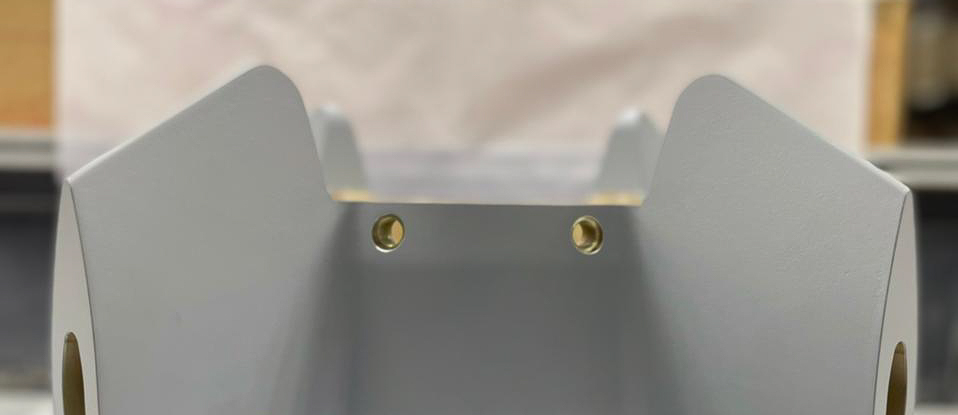
Painting provides an extra layer of protection to the parts. There are different layers of paint like primer, intermediate and topcoat. There are a lot of other properties like corrosion resistance, pencil hardness, etc.
๐๏ธ Painting Processes & Specifications
Primer
MIL-PRF-23377
MIL-DTL-53022
MIL-PRF-85582
BS 2X33
BR-127
Other customer specifications
Intermediate
MIL-PRF-22750
Other customer specifications
Topcoat
MIL-PRF-85285
MIL-DTL-53039
BS 2X34
Other customer specifications
Dry Film Lubrication
Everlube 620C
Everlube 9002
Other customer specifications
Fuel Tank Coating
AMS-C-27725
Other customer specifications
Black-T
VS 1-3-1-169
Other customer specifications
Cerakote
๐ Capacity & Approvals
Max. part size that can be accommodated for painting is up to 5 meters in length.
All the above mentioned processes are AS9100D and NADCAP approved.
Why Choose Us!
โ๏ธ Precision-Engineered Anodizing for Diverse Applications
We deliver advanced surface treatments for aerospace, medical, and manufacturing components. Combining innovation, reliability, and certified quality to strengthen your future